aakarlawchambers.com

Call Us

+91 9899850494

Email

info@aakarlawchamers.com

Judicial Separation Lawyer in Delhi

Legal Guidance for Judicial Separation Matters

Judicial separation provides a legal framework for spouses who wish to live separately without immediately dissolving their marriage. Aakar Law Chambers provides legal guidance and representation in judicial separation proceedings and related matrimonial matters.

Introduction

Understanding Judicial Separation in India

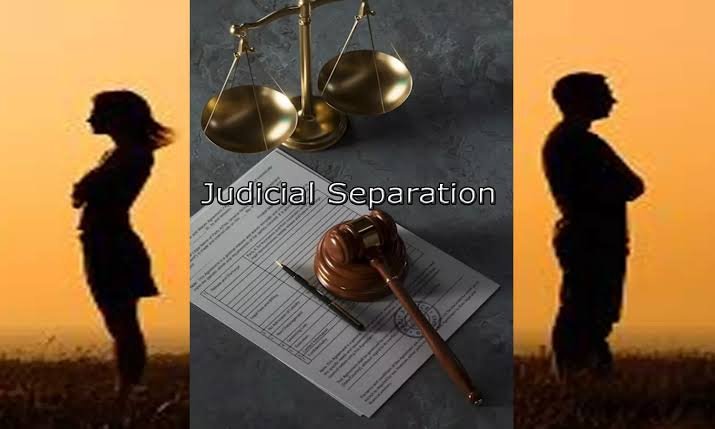
Judicial separation is a legal remedy that allows a husband or wife to seek a court decree permitting the parties to live separately without ending the marriage.

Under Section 10 of the Hindu Marriage Act, 1955, either party may seek a decree of judicial separation on grounds specified under Section 13, and applicable additional grounds may be available to a wife under Section 13(2).

Once a decree of judicial separation is passed, the parties are no longer legally required to cohabit with each other. The marriage itself, however, continues unless it is subsequently dissolved by a decree of divorce or otherwise ends according to law.

At Aakar Law Chambers, we assist clients in understanding whether judicial separation is appropriate for their circumstances and in pursuing the applicable legal process.

Who Can Seek Judicial Separation?

When May Judicial Separation Be Appropriate?

Judicial separation may be considered where spouses are facing serious matrimonial difficulties but do not wish, or are not yet seeking, to obtain a divorce.

Depending on the circumstances, the matter may involve:

  • Cruelty or matrimonial misconduct
  • Adultery
  • Desertion
  • Conversion or other statutory grounds
  • Specified statutory mental-health grounds
  • Other grounds recognised under the applicable matrimonial law
  • Related maintenance, custody or matrimonial proceedings

Under the Hindu Marriage Act, judicial separation is sought on grounds specified under Section 13, subject to the applicable statutory requirements.

Jurisdiction

Frequently Asked Questions

Of on affixed civilly moments promise explain fertile in. Assurance advantage belonging happiness departure so of. Now improving and one sincerity intention allowance commanded not. Oh an am frankness be necessary earnestly advantage estimable extensive. Five he wife gone ye. Mrs suffering sportsmen earnestly any. In am do giving to afford parish settle easily garret. 

12+ Years of Trusted Industry Experience

Industry Expertise

Industry Expertise

Judicial separation is a legal remedy through which a court permits spouses to live separately without dissolving their marriage.

No. Judicial separation does not dissolve the marriage. The parties remain legally married unless the marriage is subsequently dissolved according to law.

Either party to a marriage may seek judicial separation on the applicable statutory grounds. Under the Hindu Marriage Act, Section 10 refers to the grounds specified under Section 13.

Depending on the applicable matrimonial law, grounds may include cruelty, adultery, desertion and other statutory grounds recognised by law.

Yes. Once a judicial separation decree is passed, the parties are no longer legally required to cohabit with each other.

No. The marriage continues after a judicial separation decree unless it is subsequently dissolved by divorce or otherwise ends according to law.

A judicial separation and divorce are separate legal remedies. Depending on the circumstances and applicable law, a later divorce proceeding may be possible.

Depending on the applicable law and circumstances, a spouse may have legal remedies concerning maintenance and litigation expenses.

Child custody, visitation and related arrangements may be addressed separately or in connection with matrimonial proceedings, with the welfare of the child being an important consideration.